
If you’ve read any of the recent research around trauma or stumbled across terms like ‘body-based healing’ or ‘Somatic Experiencing’, you’ll know trauma doesn’t just elicit emotional responses when something painful or frightening happens.
Trauma is, in large part, physiological.
The body holds so much of our lived experience, both positive and negative.
And, if the more negative stuff remains unresolved, it often manifests as symptoms such as hypervigilance, sudden emotional flooding, and dissociation, to name just a few.
Inherently, trauma doesn’t just live in your mind – it becomes stored in your body, making body-based approaches essential when it comes to trauma recovery.
This article explores why traditional talk therapy, which involves a lot of reflection, emotional unpacking and talking, may not be enough in trauma healing, built on the concept that ‘overthinking is underfeeling’.
And since we’ve established that trauma lives in the body, we will explore some body-based approaches that can complement talk therapies like CBT and DBT, allowing you to heal from trauma on an emotional and physical level.
Looking beyond talk therapy

Talk therapy is rooted in the concept that exploring and discussing one’s feelings with a trained counsellor or therapist can help process emotions or experiences that may be causing symptoms such as anxiety, depression, PTSD or substance use.
This approach is great for providing insights into why you may behave in a certain way and what patterns you may be repeating in your life that don’t necessarily serve you, such as substance use or compulsive shopping.
Talk therapy has its uses in trauma recovery. It’s often the safest approach, particularly at the beginning of treatment, when you may not feel safe or stable enough to go deeper into the body, which is often what trauma therapy is about.
Approaches such as cognitive behavioural therapy or traditional counselling methods can help you ‘land in the sand’ before venturing into past, painful experiences you may not be fully ready to confront or process.
The term’ land in the sand’ is a useful way to explain the foundations of talk therapy, particularly in trauma healing, as it can help you feel more grounded and stabilised before the deeper work begins.
Understandably, many people are more comfortable ‘staying in their minds’ rather than going deeper into what could be driving specific symptoms, responses, emotions, and behaviours such as childhood trauma, neglect, or other types of adversity.
We like to explain the brain in multiple layers. A concept that is derived from Sigmund Freud’s infamous iceberg theory.
There’s the top part (the ‘thinking’ brain), which is where our thoughts, language, and some memory processing tend to live.
This part represents the tip of the iceberg.
Then there’s the middle part (the subconscious).
This part exists just below the waterline, somewhere in the middle, serving as a bridge between the thinking brain and the next level: the unconscious.
The unconscious, which some experts refer to as ‘the body’, governs much of our thoughts, emotions, core beliefs, and behaviours, operating beneath conscious awareness. This part lives deep below the waterline.
This is also the part of the brain where traumatic experiences and painful memories tend to reside, which brings us to the next essential point.
Why body-based approaches are essential for trauma recovery
When something incredibly frightening or traumatic happens, such as a car accident or the sudden loss of a family member, the trauma inherent in such experiences tends to bypass the rational mind.
Instead, the emotions, sensations, thoughts and beliefs associated with the traumatic event become embedded in nervous system patterns and bodily reflexes.
These embedded experiences tend to build a home in sensations, movement and physiological responses. Somatic practices such as breathwork, yoga, and meditation work by accessing those patterns where they live: in the body.
Research shows that only around 10% of human experience is processed in the mind. The remaining 90% is processed in the body, but this is where things can get complicated.
In trauma, our brains don’t always have the capacity to process what is happening in our immediate environment because the nervous system, being the smart mechanism that it is, prioritises survival over memory completion.
For example, if someone experiences a random mugging on the way to work, the individual is likely too wrapped up in the moment to process the experience.
First things first – are they safe? Did they survive the ordeal?
Then the person may start thinking about other, less important things, like what was stolen. The focus may turn to cancelling credit cards or calling the mobile phone company, you get the picture.
The point is that memory completion doesn’t happen during a stressful or traumatic event.
Instead, the nervous system freezes the memory, which, over time, can cause symptoms such as flashbacks, anxiety, feeling unsafe in the body or surroundings, beliefs about self-worth or ‘luck’, among many other things.
Talk therapy can be a practical approach to help you process a traumatic event or experience, exploring the details (if it feels safe enough for you to do so), emotions, thoughts and beliefs that may have developed during and after the event took place.
Again, the keyword here is safety.
Often, talk therapy approaches such as cognitive behavioural therapy and psychotherapy provide a safe foundation to help you feel more balanced, regulated and grounded, which are essential to safe, supportive trauma healing.
However, since most human experience is processed in the body, it’s essential to incorporate body-based approaches into trauma treatment for a complete, whole-person recovery.
So, all that said, let’s explore some helpful body-based approaches often used in trauma therapy.
Types of body-based approaches used in trauma healing
There are various ways to engage the body in trauma therapy.
Some of the most effective techniques include the following:
Movement-based approaches
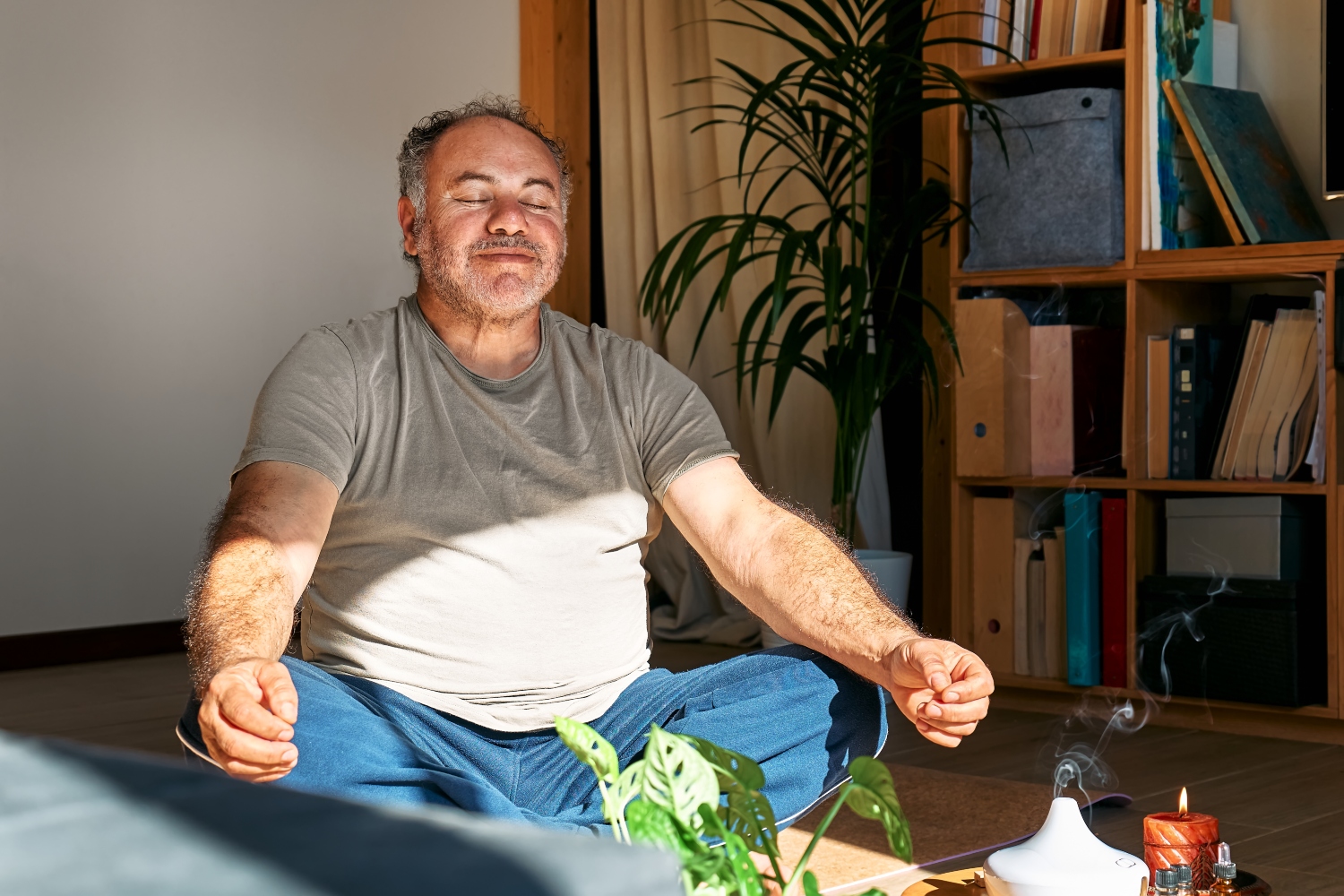
Gentle stretching, movement (such as rolling the shoulders) or shaking can help release the traumatic charge of a stressful event or experience.
Shaking involves movements such as shaking the hands, feet, or the entire body; many holistic practices encourage this type of movement as it’s an effective way to literally ‘shake out’ any stress, anger, sadness, or guilt your body may be holding.
Practices such as tai chi, yoga, and intuitive movement create a safe way for you to express yourself and release stored tension in the body and nervous system.
Breathwork practices
Breathwork practices help you deeply attune to your emotional experience, creating release and awareness of traumatic material that cannot be accessed through talk therapy alone.
For instance, if you were taught growing up that anger is a ‘bad’ emotion, you may have (unconsciously) internalised this message as ‘if I get angry, I must be a bad person’, so you learn to suppress your emotions rather than feel them.
It may be worth noting this part down: What the mind suppresses, the body expresses.
All emotion and lived experience, particularly the more traumatic ones, must have an outlet for expression; otherwise, they become ‘stored’ negative energy that, over time, can affect your health and well-being.
Lion’s breath
Lion’s breath is an effective breathing practice for building awareness of emotions, such as anger.
It involves taking a large inhale, filling your lungs with air, opening your mouth as wide as you can, and exhaling forcefully while making a loud ‘ha’ sound.
Lion’s breath is an effective tool for relieving stress and any held anxiety by activating the parasympathetic nervous system.
What’s more, it can help release stored emotions, cultivating a sense of confidence and empowerment.
Ocean breath
Ocean breath (Ujjayi Pranayama) is another effective breathwork tool used in many somatic practices, particularly in trauma and grief work, where individuals experience anxiety as a result of loss or other types of adversity.
This technique involves taking some slow inhales and exhales while gently constricting the throat to make an ocean sound.
You do this by imagining you are fogging up a mirror with your breath, but instead of the breath going outwards, it remains in the throat, creating a calm, ocean-like sound only you can hear.
For many, ocean breath, which is an awareness tool used in many practices, is incredibly sacred, allowing individuals to build awareness around their felt experience.
Practising this breath pattern can help calm fight-or-flight responses, encouraging balance and nervous system regulation over time.
Awareness-based practices
Awareness-based tools such as body scans, somatic inner work, and mindfulness awareness of somatic sensations (somatic tracking) allow you to trace what’s happening in your body without becoming shut down or overwhelmed.
These practices include:
Body scans
Body scans involve closing the eyes (or lowering the gaze), while engaging in a full body scan starting with the top of your head, all the way down to your toes – tracking each sensation and any areas of tension as your focus shifts to different body parts.
As the name suggests, lots of awareness can be gained through these practices – such as what your bodily sensations might be trying to tell you, what ‘story’ of the past they might be holding onto, and what these felt experiences might need from you.
These practices are about embodying a profound connection to the body – and can be incredibly effective in trauma recovery as these felt experiences are acknowledged authentically instead of bypassed, which often happens when the body is neglected in trauma healing.
EMDR
EMDR, which stands for eye movement desensitisation reprocessing, is an evidence-based trauma treatment that uses bilateral movement to help you reprocess your trauma safety and effectively.
At Camino Recovery, we provide comprehensive, personalised EMDR treatment programmes to individuals with a wide range of emotional issues, including anxiety, depression, PTSD, and substance use.
EMDR works on the understanding that when shocking or disturbing experiences occur, they become stored in the brain along with the sights, sounds, thoughts and feelings that accompany them.
This approach uses both sound and movement, such as side-to-side eye rolls and tapping, to help activate both sides of the brain and encourage the release of any stored emotions associated with traumatic memories.
Our team works gently with each client to support them through this process, helping them revisit traumatic memories in a safe, supportive environment.
Once traumatic memories are brought to mind in this way, the feelings and emotions attached to them are re-experienced in new, more empowering ways.
Among many things, EMDR allows you to feel in control of your internal experience rather than powerless over your responses, enabling you to process memories and experiences that may be too difficult to verbalise or access through the conscious mind.
Other highly effective body-based approaches used in trauma healing include:
- Yoga.
- Mindfulness.
- Meditation.
- Art therapy.
- Equine-assisted therapy.
Final thoughts

Trauma is described as many things, but it is inherently a felt experience, a physiological imprint that lives in the nervous system following a deeply disturbing event or experience.
Talk therapy undoubtedly has its uses in trauma treatment; it provides safety, grounding and a way to verbalise and unpack events that feel safe enough for the person to access through the mind.
However, talk therapy alone is not enough. Successful trauma healing always incorporates the body.
Otherwise, most of the experience (90%) will remain unacknowledged and thus stored in the muscles, cells, and nervous system, causing a range of symptoms that impact health, life choices, core beliefs, and quality of life.
Body-based practices are most effective when done regularly, at a pace that feels safe and supportive, with opportunities for more challenging work in the future.
Integrating body-based practices with therapeutic support can help you navigate all the deeper layers of healing: mind, emotions, body, and spirit, while increasing nervous system capacity and resilience.
To learn more about our trauma treatment programmes in Spain, contact our professional, compassionate team today for further support and information.
Remember – you do not have to face your struggles alone. We are here to guide you toward trauma healing, one gentle step at a time.


