
About six months into recovery, I realized I was still pretending. I wanted my family and friends to think I was doing well, but I couldn’t admit that I wasn’t. I was so used to living behind alcohol and never saying how I really felt about anything that when I got sober, I didn’t even know who I was.
My relationships suffered. There were people in my life who shouldn’t have been there anymore, but I didn’t know how to let them go. Then, there were people in my life that I truly cared about, but I couldn’t be honest with them either.
This happens more often than people expect.
When someone starts recovery, everyone around them is affected. The change simply cannot stay hidden. It alters conversations, habits, and expectations. Sometimes it strengthens the connection, but sometimes it exposes how much of that connection relied on old coping patterns.
That is why some relationships improve during recovery, and others begin to fall apart.
The version of you people got used to
Before recovery, there was a role you played.
You might have been the easy one or the one who avoided conflict. The one who overpromised and under-rested. Maybe you were volatile, unpredictable, and emotionally distant. Maybe people walked carefully around your moods, as they did mine.
None of that happened in isolation. Addiction and long-term coping strategies shape behaviour in ways that ripple outward and affect everyone.
Sure, other people adjust. They compensate. They build expectations around who you are in that state.
Then recovery begins, and the behaviour shifts.
You start noticing resentment instead of rushing to numb those feelings. You realise how often you said yes when you meant no. You begin to ask for space. Or honesty. Or quiet.
For some partners and friends, this is welcome because it feels like relief. Conversations become more real, and trust grows.
For others, it feels like a threat. The familiar version of you is gone, and they can’t handle that.
When growth makes other people uncomfortable

One time in a recovery meeting, I heard a woman in early sobriety say, “I thought my friends would be proud of me. Instead, they act like I’ve joined a cult.”
What she meant was this: she stopped going to certain social events. She stopped laughing at jokes that made her uncomfortable. She started leaving earlier. Her role in her group had changed.
The change forced everyone else to adjust, and not everyone wants to adjust.
Sometimes the resistance isn’t obvious at first. Maybe people stop inviting you to get together.
Then there are the conversations. They become generic and surface-level. There is a coldness that wasn’t there before.
Other times it is sharper.
“You’re too sensitive now.”
“You’re analysing everything.”
“You used to be more fun.”
What is being challenged is not even sobriety itself. It is the dynamic of the relationship.
If someone benefited from you being accommodating, less boundaried and less aware, your growth can feel inconvenient to them.
This doesn’t make those people “bad” people either. I had to let go of some people in my life that I could honestly say were good people; they just weren’t good for me. Because my role had changed so much, I had to accept that the relationship no longer served either of us.
The relationships that strengthen
Now let’s consider another scenario.
I remember listening to someone’s story in a meeting, and he described how he and his wife spent years cycling through the crisis from his addiction. He got sober, and he described them sitting at the kitchen table without chaos for the first time in a decade. “It felt so weird!” he said.
There wasn’t any conflict—nothing to argue about. Instead, there was silence. He described the silence as awkward at first, but then it just became calm.
He said, “I didn’t realise how much I was hiding.”
She said, “I didn’t realise how much I was trying to manage you.”
He talked about how honest that evening was at the kitchen table. That kind of honesty can deepen a relationship in ways a crisis never could.
When both people are willing to really look at themselves, recovery becomes shared growth. This requires humility and patience. Sometimes it also requires outside support. But it builds something wonderful: a connection that is stronger than the adrenaline-fuelled bond that once passed for closeness.
When roles fall apart
We all play roles in relationships, often without realising it. One person keeps the peace, and the other pushes boundaries. One apologises first, and the other expects it. One always rescues and is considered an enabler.
These dynamics can function for years, and then recovery comes in and disrupts them.
When someone stops rescuing, the other may feel abandoned. When someone stops overfunctioning, the other may feel exposed. When someone begins setting limits, the other may feel criticised.
The question becomes whether the relationship can survive.
Some can, and they rewrite it together. Others struggle because the role was the glue that held the relationship together.
The grief no one warns you about
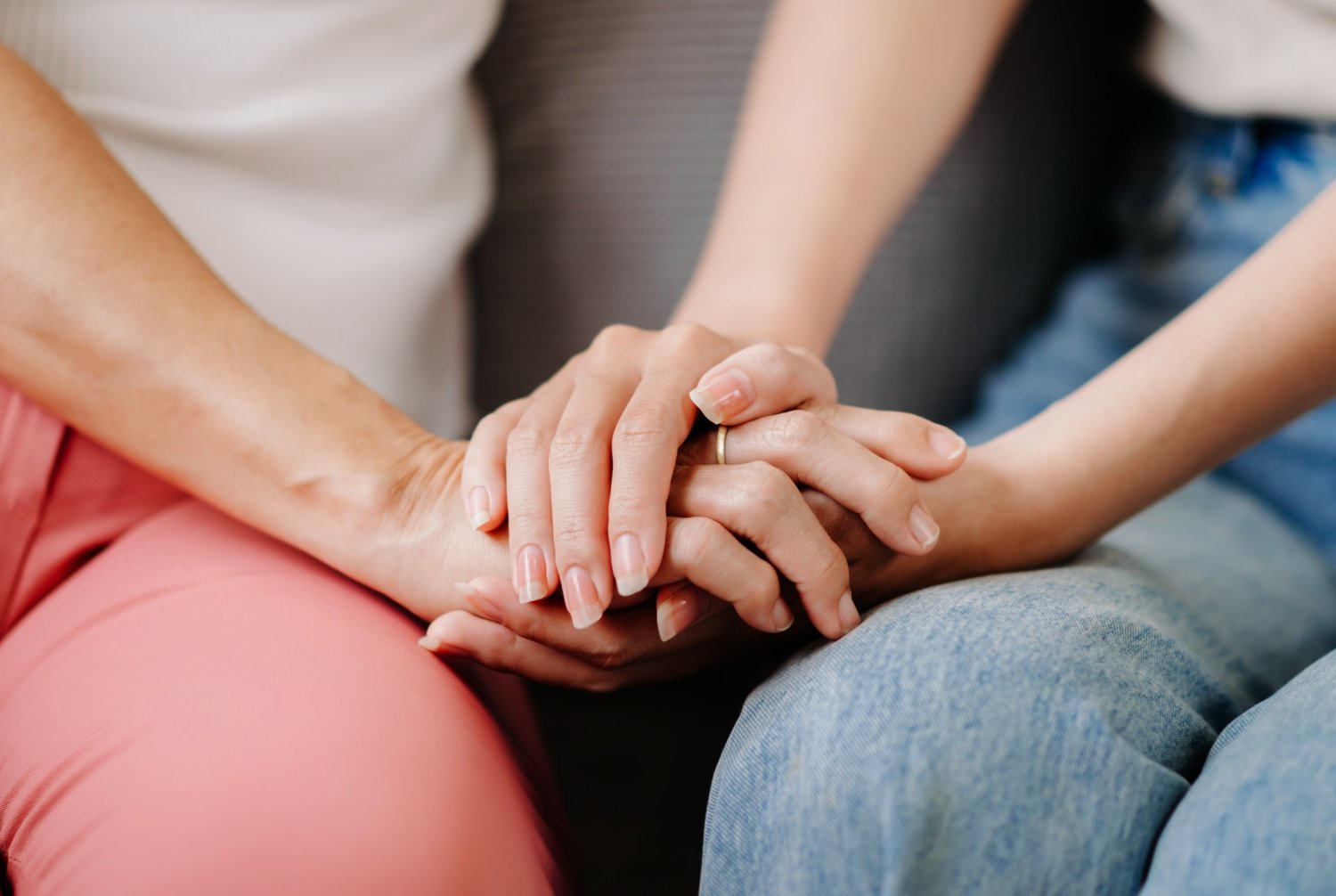
There is a particular sadness that comes with realising you no longer fit somewhere you once did.
I remember a friendship I had pre-recovery that was built around late nights and shared self-destruction. I valued this friendship, but when I got sober, I realized how there was no common ground anymore. I wanted to live a different life, and we were on different paths. It felt heartbreaking to step away, but I knew it would help me in the long run.
Letting go can feel disloyal.
You may wonder if recovery has made you too rigid. If you are asking for too much, or if you are abandoning people who once stood by you.
The bottom line is that growth does not erase gratitude. You can appreciate what someone meant to you and still recognise that the relationship cannot continue in the same way.
That is one of the hardest parts of recovery, but one of the most beneficial.
Not every ending is a failure
Some relationships collapse quickly. A boundary is set or a pattern is named. The response is dismissal or anger, and the distance becomes obvious. It can feel like loss layered on top of loss.
There is often a moment when you realise the conversation is no longer about the issue you are talking about. It is really about control, comfort or who is allowed to change and who is not.
You say, “I can’t keep doing that.” They hear, “You are the problem.”
You say, “That hurt me.” They hear, “You are being accused.”
Something in you recognises that you are standing alone in a way you hadn’t noticed before.
When that happens, the collapse can be swift, and it can hurt, especially if there is history.
But sometimes collapse reveals what the relationship needed and was not built on. A relationship that cannot withstand honesty is not an authentic one. A relationship that falls apart when boundaries are set is not a healthy one.
There is grief in that realization but also clarity.
Recovery changes people
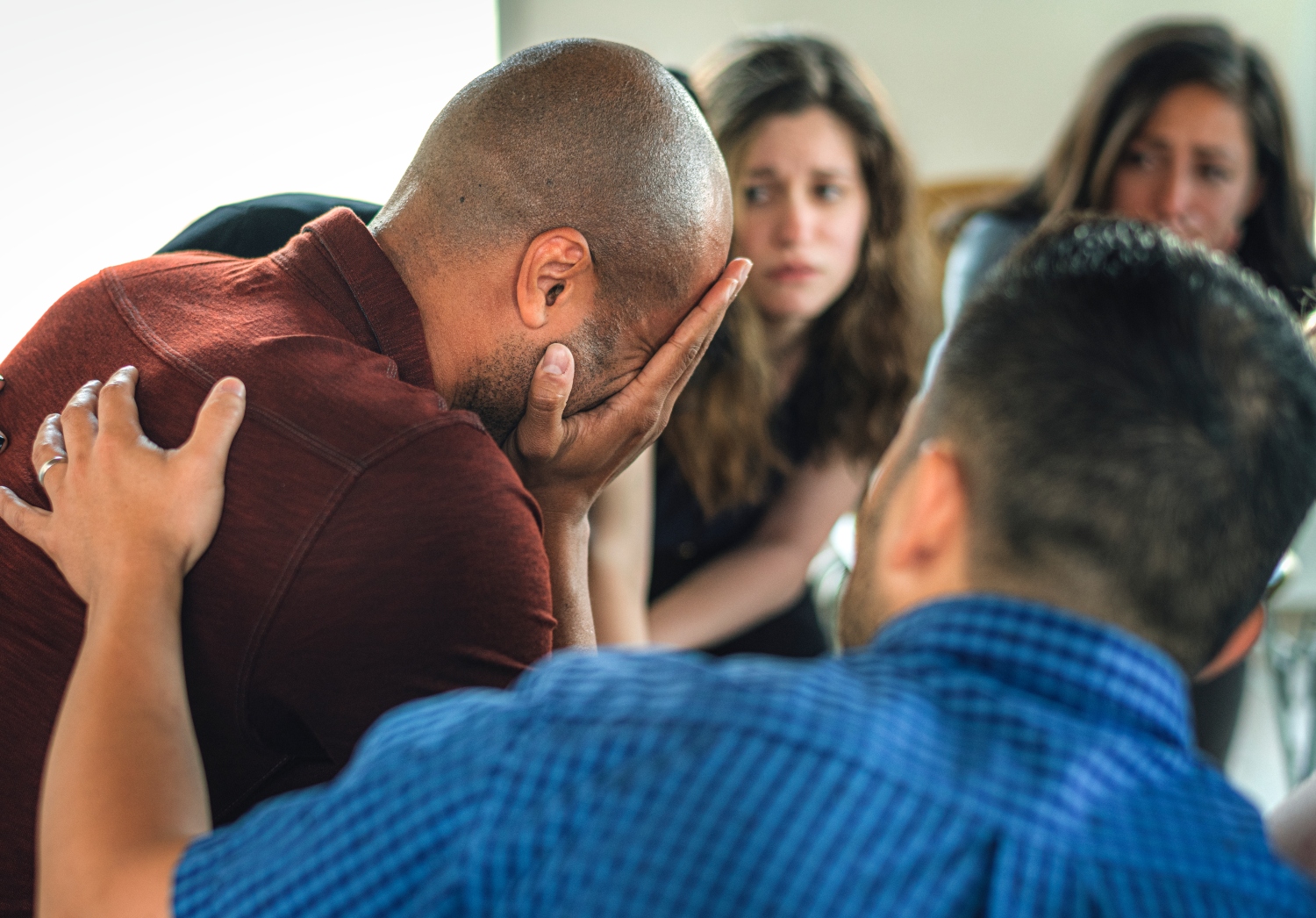
Sometimes when we think of sobriety, the first thing we think of is abstaining from substances. Yes, that is the beginning. Recovery, though, is how you live the rest of your life sober.
That is only the beginning.
Recovery reshapes how you move through ordinary moments. It affects how you respond when you are irritated. How you speak when you are hurt. Whether you stay in conversations that once drained you. Whether you continue absorbing what is not yours to carry.
It brings a sharper awareness of what you tolerate and what you do not.
That awareness changes the space between you and other people.
You may find yourself less willing to laugh things off and less willing to apologise automatically. Some people notice this shift and lean in. They appreciate the authenticity, and they adjust their own patterns in response.
Others hesitate. They may test the boundary or minimise the change. They may quietly withdraw because they liked the old version of you better.
Both responses offer information.
Recovery does not guarantee which relationships will survive, but what it does do is remove the fog. What was built on mutual respect often grows stronger. What was built on imbalance tends to strain.
Camino Recovery is here for you
At Camino Recovery, relationships are part of the work. Healing affects everything around us: attachment, communication, boundaries, and the habits we have.
When recovery begins, the person changes.
And when the person changes, the relationships must decide whether they can change too.
We are here for you. Contact us today to start the conversation.


