
Complex trauma, also called Complex Post-Traumatic Stress Disorder (C-PTSD), develops as a result of ongoing, repeated experiences of trauma, commonly perpetrated by caregivers, parents, trusted adults, or intimate partners, and most often takes place during vital stages of development.
Unlike PTSD, which is a type of trauma that may occur as a result of a single traumatic event or experience, complex trauma is often the result of repeated or prolonged experiences that occur over long periods.
Examples of complex trauma include childhood adversity, neglect, a lack of attunement between child and caregiver, unstable or unsafe relationships, or chronic stress that quietly shapes how you feel, think, and relate to the world.
For many people, it can feel like the past is not just part of their origin story, but something deeply held, as if the experiences have somehow imprisoned them, affecting their behaviours and choices in their present lives.
Complex trauma is often stored in the body, which can deeply impact your relationships and everyday responses that may seem difficult to explain or understand.
At Camino Recovery, we support individuals navigating these complex patterns, offering a structured, compassionate approach to recovery that addresses the emotional, physiological and even spiritual impact of complex trauma.
What is complex trauma?

Unlike single-event trauma, which occurs as a result of a frightening or shocking one-time experience, complex trauma develops over time and happens in various contexts in which an individual feels they cannot escape.
It often involves experiences where an individual felt:
- Deeply unsafe.
- Unsupported by those who were supposed to protect them, like a parent or caregiver.
- Unable to remove themselves from danger or escape a frightening or life-threatening situation, like a child witnessing violence from one parent to another.
These events can include:
- Childhood emotional neglect which can occur when someone’s basic needs, including love, protection, food, and adequate housing conditions, are not met.
- Long-term exposure to conflict or instability, such as parental separation, domestic violence or bullying.
- Relational trauma, such as betrayal and emotional or physical abuse.
- Repeated loss or abandonment – this may include compounded losses where an individual experiences more than one loss over a prolonged period.
Over time, the nervous system begins to adapt to survive these conditions – often remaining in a heightened state of alert or, conversely, emotional shutdown.
These responses, often known as fight-or-flight (hypervigilance) or freeze (shutdown), can occur separately, or the individual can experience symptoms of both at the same time.
For instance, many trauma survivors experience co-occurring anxiety and depression as a result of repeated adversity, which requires blended treatment approaches to help them manage these responses.
Carrying the past: Navigating complex trauma and effective treatments that can help
Complex trauma is closely related to your body’s stress response system.
When a person feels activated or triggered, the brain can respond as though the original experience is happening all over again.
This reaction can be explained by the fight-or-flight response, in which the body prepares to defend itself against perceived threats, even when there is no immediate danger in the environment.
For example, an individual who witnessed domestic violence as a child may avoid intimacy or romantic relationships later on in life.
They may not actually link these patterns to their past and instead develop negative or self-limiting beliefs around worthiness or feeling unlovable, when in reality, their nervous system is doing all it can to protect them from harm.
What did the person’s nervous system learn at a young age?
Intimacy = danger – and therefore must be avoided.
For some, this response becomes chronic, leading to ongoing patterns of hypervigilance, anxiety, or emotional numbness.
Recovery from complex trauma requires more than treating the symptoms or learning new coping strategies. It also involves:
- Understanding the root causes of these responses.
- Rebuilding a sense of internal trust and safety.
- Developing healthier emotional and relational patterns by challenging ingrained beliefs.
At Camino Recovery, our treatment approach is grounded in the following trauma-informed principles:
- Safety and trust.
- Mutual collaboration.
- Respect for each individual’s treatment preference and pace.
Our team creates an environment where individuals can begin to explore their experiences without feeling overwhelmed or ashamed of how they feel, creating a safe, supportive environment for long-term recovery.
Effective treatments for complex trauma
There is no one-size-fits-all approach to trauma recovery.
However, several evidence-based therapies have shown strong outcomes, particularly for complex trauma survivors.
At our treatment centre in Spain, we provide personalised treatment plans tailored to each individual’s specific experiences and needs, ensuring you receive the most effective care for your particular healing process.
Here’s what you can expect from your treatment programme with us:
EMDR therapy
Eye movement desensitisation and reprocessing (EMDR) is a type of trauma treatment facilitated by our experienced team of clinicians here at Camino Recovery.
This approach helps the brain process traumatic memories safely under the guidance of trained clinicians, thereby reducing the emotional intensity of these experiences over time.
EMDR uses bilateral stimulation, such as side-to-side body movements, tapping, and sounds, to help release the traumatic charge of past experiences that could not be processed at the time the event occurred.
During sudden shock or crisis, the brain prioritises survival over memory processing, meaning traumatic memories often become “stored” incorrectly in the brain and nervous system, causing a range of symptoms.
EMDR helps safely release these memories so that the person can reprocess them and have the opportunity to “store” them correctly.
This approach is particularly effective for the following symptoms:
- Intrusive flashbacks or memories.
- Unresolved emotional wounds or past experiences.
- Emotional triggers such as anger outbursts, anxiety, and avoidance.
Cognitive behavioural therapy (CBT)
CBT is a type of talk therapy that helps individuals to explore and unpack any negative thoughts, beliefs and emotions tied to their trauma.
Very often, individuals who have experienced repeated trauma in their lives tend to view the world very differently from people who haven’t had these experiences.
For instance, individuals with a long history of trauma often believe themselves to be unworthy, unlucky, or stuck in a perpetual state of self-protection and loneliness.
CBT can help individuals:
- Identify (and challenge) unhelpful thought patterns.
- Develop healthier coping strategies.
- Reframe deeply held beliefs shaped by trauma.
Somatic therapies
Since trauma is stored in the body, treatment approaches must focus on the somatic components, as this can enable any held tension or trauma to be released in safe, titrated ways.
Somatic therapies can include deep breathing, sensory engagement exercises that enable individuals to ground themselves through sight, smell, and touch, and mindfulness practices to help them safely reconnect with the body.
These approaches can help to:
- Regulate the nervous system.
- Release stored emotions or tension in the body.
- Reconnect with the mind and body by staying present with whatever emotions may come up, without becoming overwhelmed or shutting down.
Group and relational therapy
Recovery from trauma often happens in connection with others.
This is one of the reasons why we facilitate group and relational therapy in our treatment programmes to help:
- Reduce feelings of isolation and loneliness.
- Build trust and purpose.
- Offer new relational experiences that help rebuild safety, identity, and a sense of aliveness.
The role of environment in healing
Recovery is not only about what happens in therapy rooms, but it’s also about the environment in which the work takes place.
Our treatment centre is based in the beautiful Andalucia, a breathtaking space with mesmerising panoramic Spanish views, offering a unique level of comfort and tranquility that enhances the recovery experience.
At Camino Recovery, we believe that your environment plays an inherent role in the healing process and is not just a “nice to have”.
Ultimately, where you choose to heal matters and can make a significant difference to the outcome.
Surrounded by natural landscapes and a warm, peaceful climate, our clients have space to:
- Step away from daily stressors and familiar triggers.
- Reflect and reconnect with themselves.
- Engage in treatment without any distractions.
How complex trauma shows up
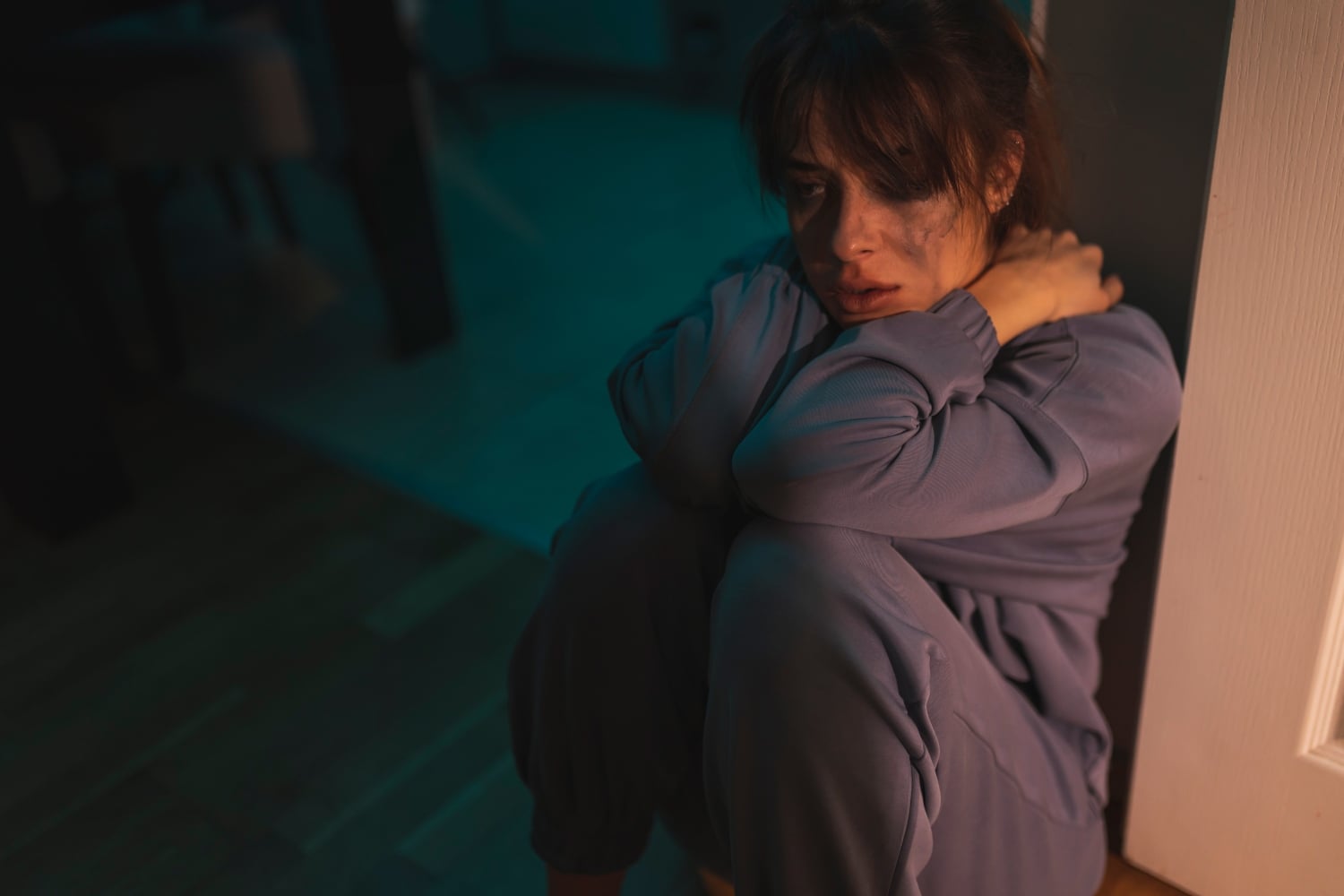
The effects of complex trauma can be subtle or deeply overwhelming, and symptoms can often fluctuate.
Below are some of the more common ways complex trauma shows up:
Emotional patterns
- Persistent anxiety, agitation or low mood.
- Difficulty regulating emotions and/or lack of impulse control.
- Intense feelings of shame, guilt, or emptiness.
Cognitive impact
- Negative beliefs about the self (“I’m not safe,” or “I’m not worthy or enough”).
- Intrusive memories or flashbacks.
- Difficulty concentrating or making meaningful decisions.
Relational challenges
- Intense fear of closeness or abandonment.
- Trouble trusting others and the self.
- Ingrained patterns of people-pleasing or withdrawal.
Physical symptoms
- Chronic fatigue or exhaustion that cannot be remedied through rest.
- Disrupted sleep patterns, such as sleeping too much or not enough.
- Heightened startle responses, such as jumping whenever the phone rings or someone knocks at the door.
These responses are adaptations that once helped the individual cope with something profoundly frightening or shocking.
They are certainly not a sign that something is wrong with you or that you are broken in some way, which is how a lot of complex trauma survivors often feel.
One of the keys to recovery is to gradually work with the nervous system to help slow and ground these responses, so the individual can process their experiences in a safe and guided way, reducing stress responses over time.
The bottom line
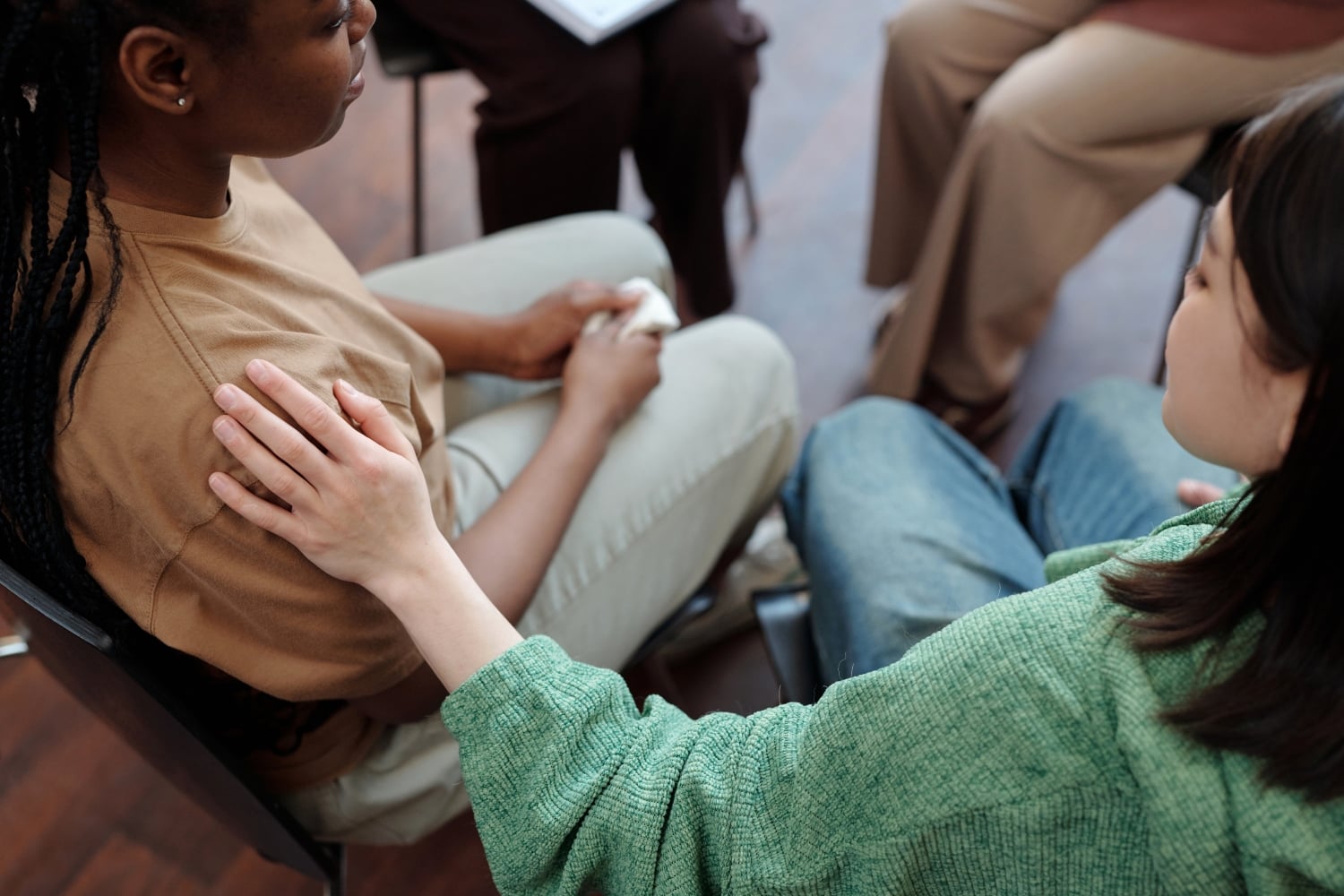
Carrying the past can feel incredibly lonely and isolating – but it doesn’t have to define your future or limit what’s possible.
With the right care and support, individuals can:
- Understand ingrained patterns and responses.
- Build resilience and empowerment.
- Create new ways of relating to themselves and others.
Recovering from complex trauma is not about erasing your past or bypassing your emotional experiences – it’s about changing your relationship with what happened.
Your sense of worth. Your relational experiences. Your capacity to trust and connect with yourself and others in a meaningful way.
Healing is never about dismissing what happened in your past, but learning to carry it with increased emotional capacity and the ability to hold different truths at once:
The past may have been incredibly difficult, challenging, or unfair, but it says nothing about your worth as a human or your capacity to experience joy and hope in the future.
Next steps
Whether you’re exploring treatment for yourself or someone close to you, the first step is simply reaching out and starting the conversation.
You don’t have to carry the past alone. Help and support are available, and our team is here to guide you through the process one gentle step at a time.
Contact our treatment centre in Spain to learn more about our trauma treatment programmes or for a private discussion about your options.


